
About Transmedia Lab
Transmedia Lab is an editorial resource dedicated to the study of storytelling, media convergence, television culture, and the relationship between communication technologies and audiences. The website originated during a period when internet-based media were creating new opportunities for creative expression and interaction between previously separate communication platforms. Its historical material reflects discussions about how narratives could develop beyond traditional formats and how audiences were beginning to engage with entertainment through connected digital environments. These questions remain relevant to the study of contemporary media, even as the technologies and services involved continue to change.
The restored website provides a context for exploring these subjects through informative articles, historical perspectives, and explanations of concepts related to transmedia culture. Rather than focusing on a particular commercial platform, the editorial scope includes the development of audiovisual storytelling, audience behaviour, participatory culture, and connections between traditional and digital media. The material is intended to make these topics understandable to readers interested in communication, entertainment, and cultural change.
The Historical Background of Transmedia Lab
The website’s archived homepage from 2009 documents an early discussion of transmedia development in the French media environment. It includes an introductory statement attributed to Xavier Couture, identified at that time as Orange’s Director of Content. The statement describes an interest in supporting the development of programmes designed for transmedia environments and encouraging professional discussion about new forms of storytelling. The archive also contains references to television consumption, narrative structure, social content, and the American television series Lost.
These historical details place Transmedia Lab within wider discussions about digital transformation that were taking place during the late 2000s. Media organizations, researchers, and creative professionals were examining how the internet could change content development and audience relationships. The archived association with Orange and its representatives is part of the site’s historical context and does not, by itself, establish any current ownership, partnership, or institutional affiliation. Preserving that distinction is important when presenting an older website to contemporary readers.
Areas of Editorial Interest
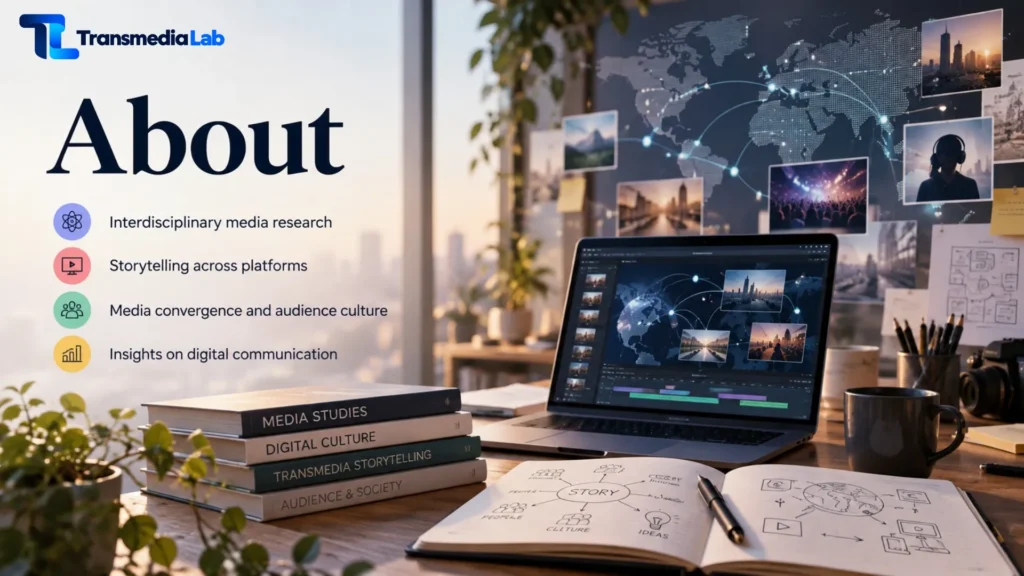
The subjects associated with Transmedia Lab cover several interconnected areas of media studies. Transmedia storytelling examines how different formats can make distinct contributions to a shared narrative, while media convergence considers the relationships between technologies, industries, and cultural practices. Television studies explore how programming, distribution, and viewing habits develop over time. Participatory culture addresses the ways audiences discuss, interpret, and sometimes create material connected to existing cultural works.
These areas are not isolated from one another. Changes in distribution technology can influence creative production, while audience practices can affect how programmes are interpreted and circulated. Similarly, the growing availability of connected devices creates new opportunities for accessing audiovisual and written material without necessarily replacing older media habits. Considering these developments together provides a more complete understanding of communication in a changing media environment.
An Informational and Historical Perspective
The editorial purpose of this restored website is to present clear, original, and contextually accurate information about subjects connected to its historical theme. Its articles distinguish between established concepts, documented historical examples, research findings, and interpretations of media developments. Numerical information should be understood within the geographical and methodological limits of the research from which it originates. The website does not claim to represent the current activities of organizations or individuals mentioned in its historical archive. Its central focus is the continued examination of storytelling and media culture as subjects of historical, academic, and public interest.