
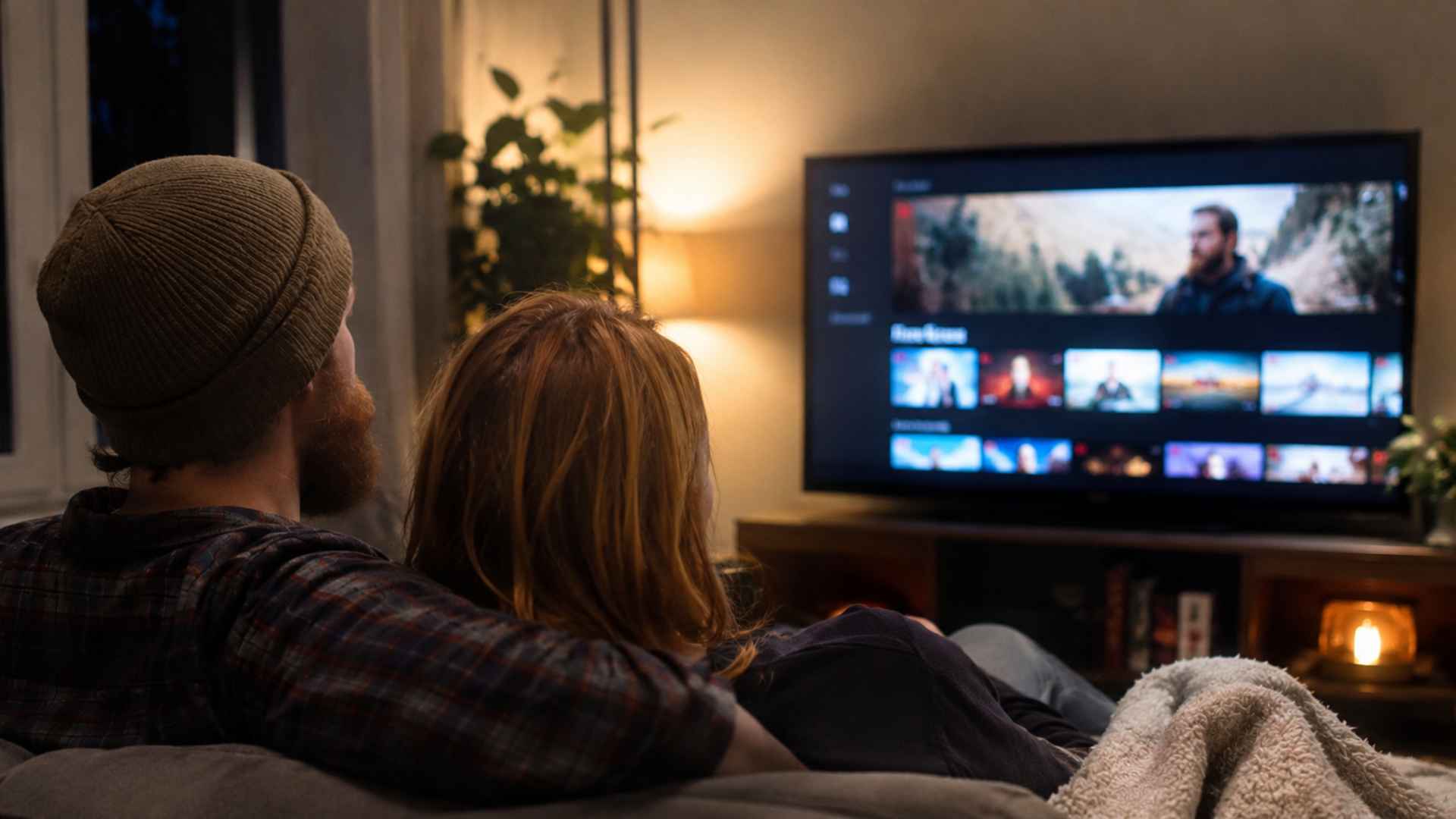
Television has changed significantly over the past decade, and streaming services have become a regular part of everyday entertainment. Instead of waiting for a specific time to watch a favorite program, people can now choose what they want to watch and enjoy it whenever they have free time. Platforms such as Netflix, Disney+, Amazon Prime Video, and other streaming services have changed how audiences discover movies, follow television series, and spend their leisure time. This shift has made entertainment more flexible and accessible, giving viewers greater control over their daily viewing habits.
Traditional television still has an important place in many households, but streaming has introduced a different way of enjoying content. People no longer depend entirely on scheduled broadcasts or television channels to find something interesting. With a stable internet connection and a compatible device, viewers can access thousands of titles from different countries and genres. As these services continue to grow, streaming culture is influencing not only what people watch but also when, where, and how they experience television entertainment.
The Growing Popularity Of Streaming In Modern Households
One of the main reasons streaming has become popular is the convenience it offers. Traditional television follows a fixed broadcasting schedule, which means viewers often need to adjust their activities to catch a particular program. Streaming removes much of that limitation by allowing users to watch content whenever they prefer. Whether someone is relaxing after work, taking a break during the afternoon, or spending a quiet weekend at home, entertainment is available on demand. This flexibility fits naturally into modern lifestyles, especially for people who have busy schedules and different daily responsibilities.
Another important factor is the variety of content available through streaming platforms. Viewers can explore international movies, documentaries, reality shows, animated programs, and original television series in one place. Many platforms also use recommendation systems that suggest titles based on previous viewing activity. These features make it easier for audiences to find content that matches their interests. As a result, watching television has become a more personal experience, with different household members choosing their own entertainment instead of relying on a single program for everyone.
How On Demand Viewing Changes Daily Entertainment Habits
The ability to watch content on demand has changed the relationship between viewers and television. In the past, families often planned their evenings around popular television programs or weekly episodes. Today, many people prefer to create their own viewing schedules. They can pause a movie, continue an episode later, or watch several episodes of a series in one sitting. This behavior is commonly associated with binge watching, where viewers consume multiple episodes over a relatively short period. It has become particularly common with streaming platforms that release entire seasons at once, although some services still follow weekly release schedules.
Streaming has also made television viewing less dependent on a traditional television set. Smartphones, tablets, laptops, and smart TVs allow people to enjoy entertainment in different environments. Someone can start watching a documentary on a laptop and continue it later on a television, depending on the platform’s available features. This device flexibility has made entertainment easier to fit into everyday routines. However, it has also created a habit of using digital screens more frequently, which can make it harder for some viewers to separate entertainment time from work, study, and personal activities.
The Impact Of Streaming Culture On Television And Viewer Preferences
Streaming culture has influenced the television industry by changing how content is produced and distributed. Production companies now consider online audiences when developing new shows, films, and documentaries. Streaming platforms invest in original productions to attract subscribers and offer content that viewers cannot easily find elsewhere. This competition has encouraged a wider selection of entertainment, including stories from different cultures and regions. International productions have also gained more attention because viewers can access foreign language content with subtitles or dubbing, helping certain shows reach audiences far beyond their original markets.
Another noticeable change is the growing importance of personalized entertainment. Traditional television generally presents the same schedule to everyone watching a particular channel, while streaming platforms can recommend different content to different users. These suggestions are often influenced by viewing history, selected genres, and previous interactions. Although recommendations can help viewers discover interesting programs, they may also encourage people to watch familiar types of content repeatedly. For this reason, exploring different genres and independent productions can help audiences enjoy a broader range of entertainment rather than depending entirely on automated suggestions.
Despite its popularity, streaming does not completely replace traditional television. Live sports, breaking news, local programs, and major public events continue to attract audiences through conventional broadcasting. In addition, streaming depends on internet access, subscription costs, and the availability of compatible devices. These factors can influence which entertainment options are practical for different households. Some viewers also prefer free to air television because it provides convenient access without requiring multiple paid subscriptions. This shows that traditional broadcasting and digital streaming can continue to serve different needs within the same entertainment market.